Restaurant
October 5, 2026
Part 1 of 2
Drive Restaurant Profitability Through Better Beverage Management
Alcohol consumption is down as the health push is on! This makes a focus on your beverage business more important than ever….So what are some simple things you can focus on to improve your bottom line in your restaurant?
Beverages are a significant part of your income statement and your balance sheet. Most full-service restaurants sell 20 percent or more of total sales in beverages. A great ratio to drive to is 30 percent or better in beverage sales as these sales are incremental in restaurants and build sales through increased check average. Beverage costs tend to be lower than food costs so you make more on every dollar sold. Additionally, assembling and serving a drink requires less effort compared to preparing and serving food. If you want to create better results in beverage management, focus on these areas:
Audit pricing in the Point of Sale System (POS).
It seems obvious to double-check the pricing from the menu to the POS. It’s surprising how often one or more prices in the POS differ from the menu. Nearly every restaurant has this problem if prices haven’t been audited in the past 24 months. This is especially true in cocktails and wine. When auditing prices use this opportunity to look for duplicates, misspelled items and inactivate old items no longer used. Check with your gut as to why one drink would be priced higher or lower than another, and check with the market to make sure your prices are competitive.
Engineer your beverage menu.
Price every liquor, drink, beer and wine. Line costs up against sales volumes and compute the ideal cost. If the gap between ideal cost and actual cost is significant, make sure the loop is tight and secure when protecting your product in ordering, receiving, storage and service. Look for items that are out of line for cost percentages and, more importantly, find those that don’t contribute to profitability. Take a meaningful price increase on these items to get them to an acceptable margin. Isolate the highest volume selling items. These items are the least sensitive to price adjustments. Increase pricing or reduce costs on these items to create a dramatic impact.
Manage inventory actively.
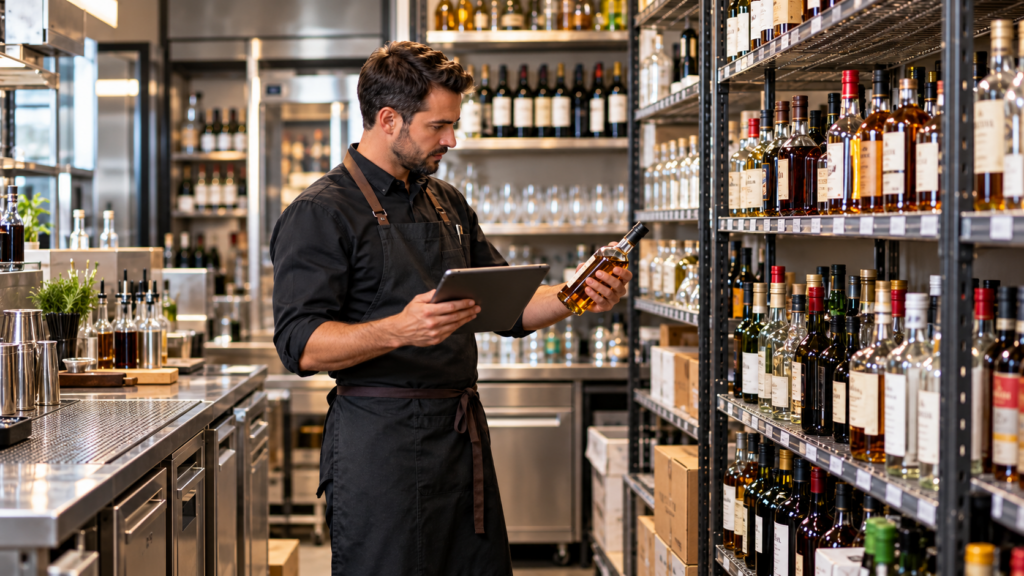
Too much inventory leads to sloppy portioning, theft and unintended use of capital. Every bottle sitting in storage is cash not in the bank. Keep total inventory at 35 days of cost of sales or less, and count it often. Use the same two people to count inventory together each period. Have one person count and the other record. Keep inventory locked up, and cover open bottles at the end of the night. Place cameras in the inventory area, and make them conspicuous. The idea is to deter, not catch theft.